Did You Know That Used Oil Can Be Reused?

Used oil may look like waste after an oil change, but it can still have value. With proper collection and recycling, useful components can be recovered and given a second life instead of harming the environment.

August 18, 20265 min read
Did You Know That Used Oil Can Be Reused?

After an oil change, the dark, dirty oil that comes out of an engine can look like something that has no use left. It is often treated as waste and forgotten about once it has been drained. But used oil still contains valuable components that can be recovered through proper collection and recycling.

Used oil cannot simply be poured back into an engine and used in the same way as fresh lubricant. During its time in an engine or machine, the oil gets mixed with dirt, dust, metal particles, water, and other contaminants. Heat and regular use can also change its properties. Before it can be used again, it needs to go through the right treatment process.

This is where responsible used oil management becomes important.

Once collected properly, used lubricating oil can be sent to an authorised recycling facility. There, it goes through processes designed to remove contaminants and recover useful oil components. Depending on the process, the recovered material can be further refined and used to produce base oils and other petroleum-based products. In other words, the oil may have finished its first job, but its useful components don't necessarily have to end up as waste.

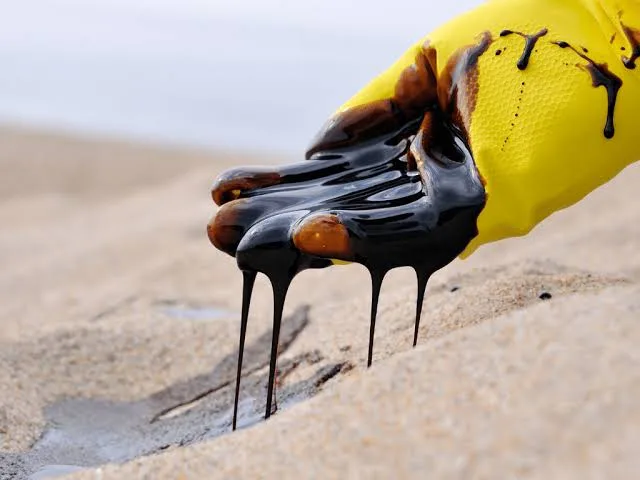
Proper collection is an important part of this process. Used oil should be kept separately in suitable, leak-proof containers and protected from water and other waste. Mixing used oil with other materials can make recovery more difficult and may affect the recycling process. The alternative - simply throwing used oil away - can have serious consequences. Used oil that is poured onto the ground can contaminate soil. If it enters drains or water bodies, it can affect water quality and aquatic life. Burning or disposing of it through unsuitable methods can also release harmful pollutants.

For workshops, garages, industries and anyone who generates used oil, responsible handling is therefore a simple but important step. Collect it properly, keep it separate, and hand it over through an authorised collection and recycling channel. Used oil is a good example of why the way we look at waste needs to change. Something that appears to be finished can still have value when it is collected and processed correctly. Instead of allowing used oil to become an environmental problem, responsible management allows it to re-enter the resource cycle.

At the Responsible Used Oil Management Foundation (RUOMF), we believe that awareness is an important part of making this change. When people understand that used oil can be recovered and recycled, they can make more responsible choices about what happens to it after an oil change. Used oil may be old, but that doesn't mean its value has run out.

Share:

More blogs from this category

Why Used Oil Awareness Should Start in Schools

Why Used Oil Awareness Should Start in Schools

Used oil is something children rarely learn about, even though it is generated every day by vehicles, machines, workshops and industries. Introducing used oil awareness in schools can help students understand responsible collection and recycling, while also teaching them about environmental protection, worker safety and better waste management habits.

The People Behind Used Oil: Why Collector Safety Matters

The People Behind Used Oil: Why Collector Safety Matters

Used oil collection is an important part of responsible waste management, but the people doing this work need attention too. Collectors face everyday risks while handling used oil, making proper training, safety measures, healthcare and support important for their well-being.

What Happens When Used Oil Reaches the Ground

What Happens When Used Oil Reaches the Ground

Used oil may disappear from sight when poured onto the ground, but its impact doesn't. Improper disposal can harm soil, contaminate water, and waste valuable resources. Responsible collection and recycling offer a safer way to manage used oil and protect the environment.

Latest blogs

Why Used Oil Awareness Should Start in Schools

Why Used Oil Awareness Should Start in Schools

Used oil is something children rarely learn about, even though it is generated every day by vehicles, machines, workshops and industries. Introducing used oil awareness in schools can help students understand responsible collection and recycling, while also teaching them about environmental protection, worker safety and better waste management habits.

The People Behind Used Oil: Why Collector Safety Matters

The People Behind Used Oil: Why Collector Safety Matters

Used oil collection is an important part of responsible waste management, but the people doing this work need attention too. Collectors face everyday risks while handling used oil, making proper training, safety measures, healthcare and support important for their well-being.

What Happens When Used Oil Reaches the Ground

What Happens When Used Oil Reaches the Ground

Used oil may disappear from sight when poured onto the ground, but its impact doesn't. Improper disposal can harm soil, contaminate water, and waste valuable resources. Responsible collection and recycling offer a safer way to manage used oil and protect the environment.