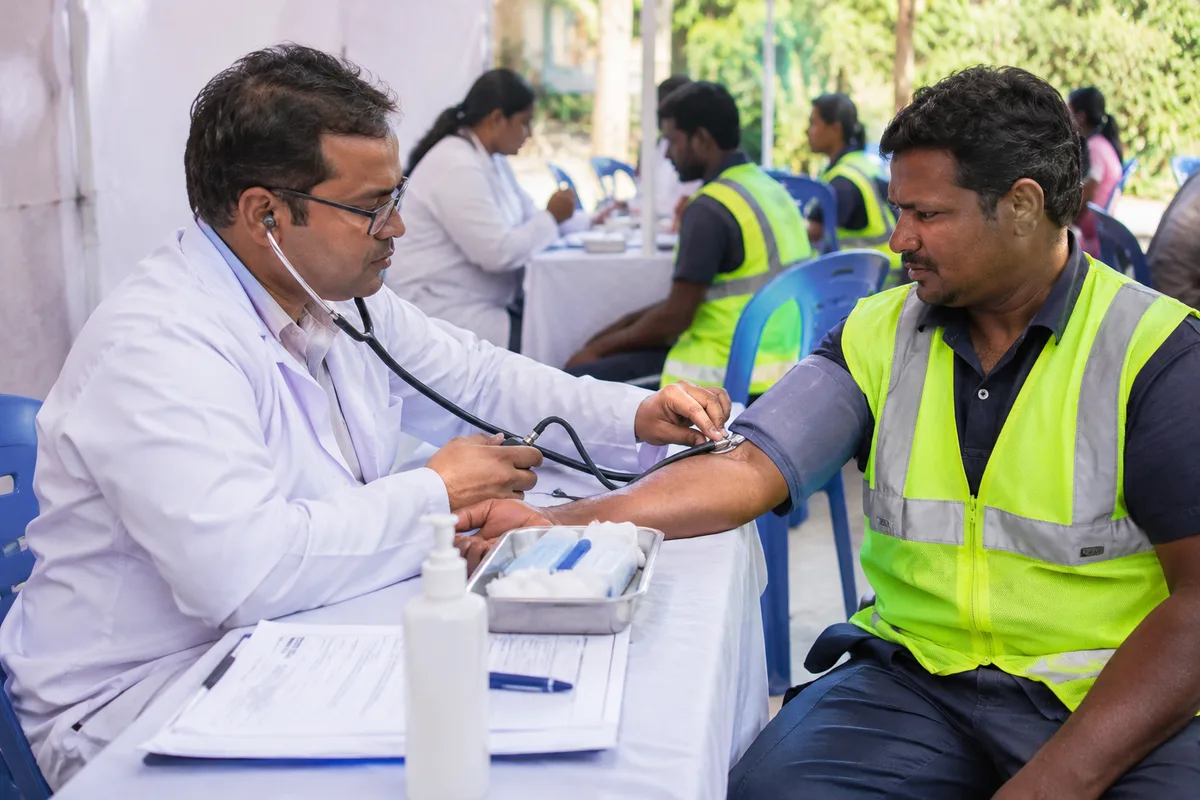
Health Check-Ups for Used Oil Collectors: Why They Matter

Used oil collectors work in physically demanding environments and may face occupational health risks through regular handling of used oil. This blog explores why routine health check-ups are important, how early screening can help identify potential health concerns, and why healthcare support should be an essential part of responsible used oil management.

November 9, 20265 min read
Health Check-Ups for Used Oil Collectors: Why They Matter

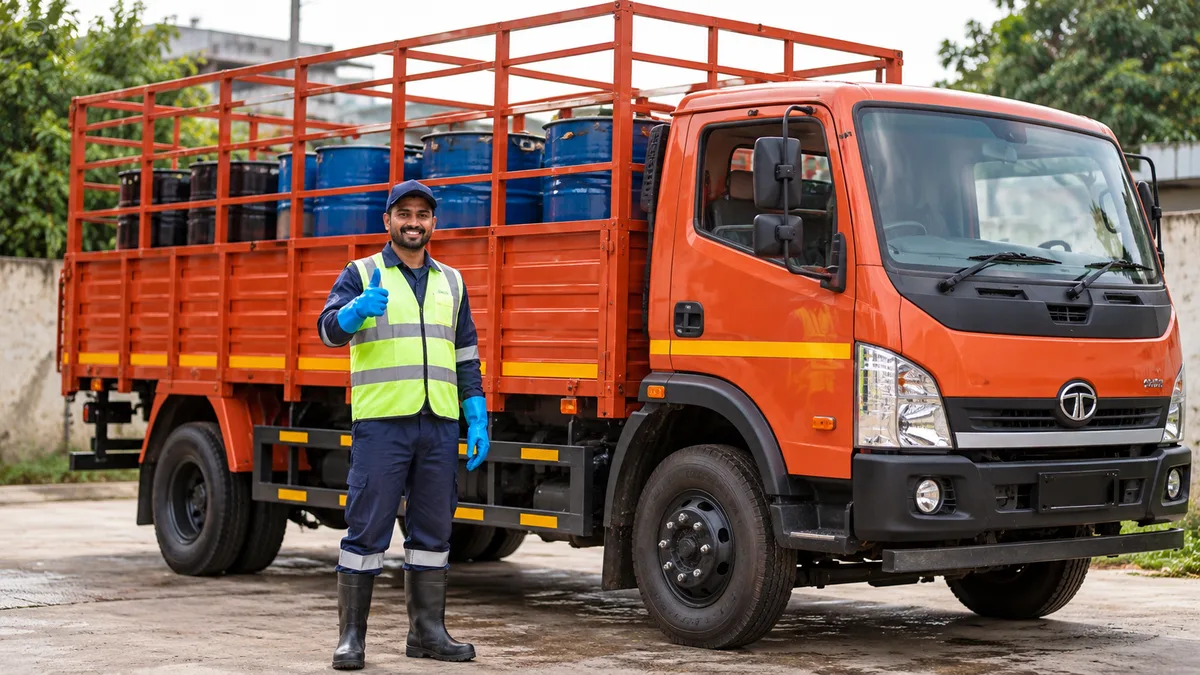
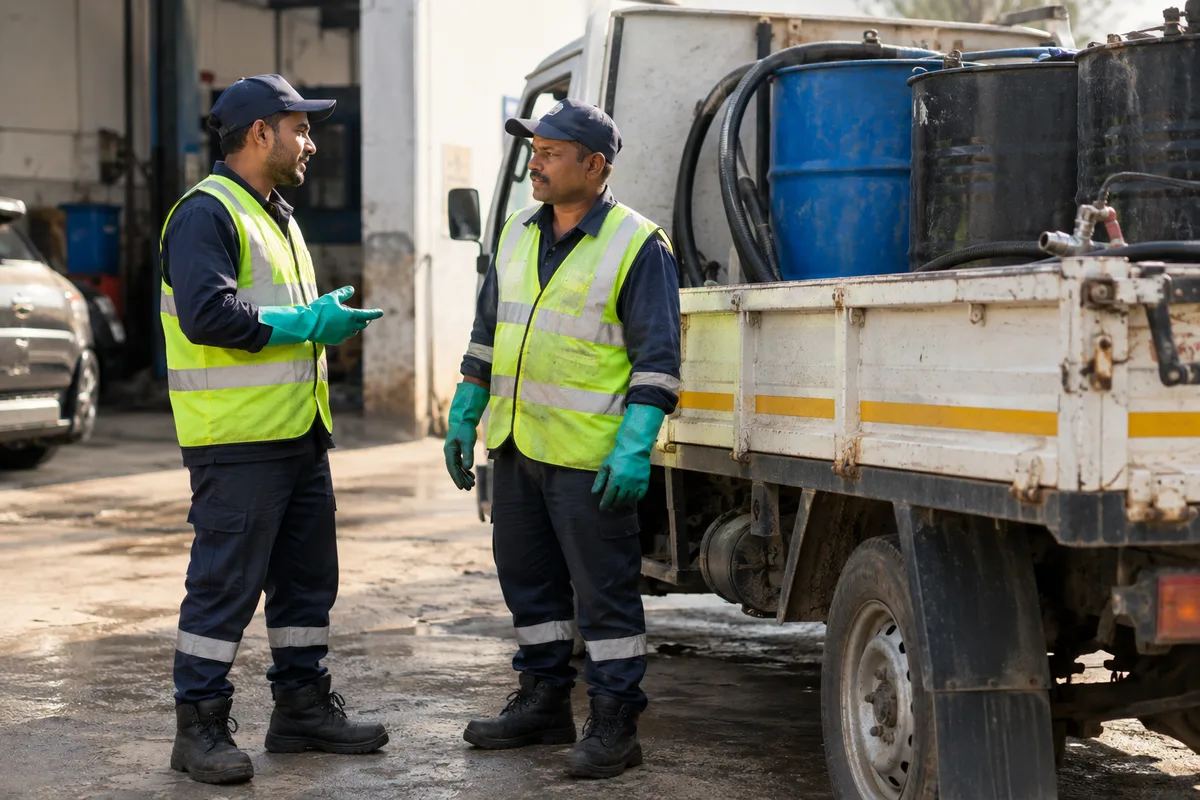
Used oil collection is an important part of responsible waste management. Every day, collectors handle used lubricating oil, lift heavy containers and travel between workshops, garages and industrial units. While their work helps ensure that used oil reaches appropriate recycling channels, the health and well-being of these workers often receive less attention than they deserve.

Providing safety equipment is essential, but protecting workers also means looking after their health. This is where regular health check-ups become important.

Understanding the Health Risks

Used oil collectors work in environments where they may come into contact with oil residues, dirt, chemical contaminants and potentially harmful vapours or mists. Repeated skin contact can cause irritation and other skin-related problems. Accidental splashes may affect the eyes, while poor handling practices and inadequate workplace ventilation can increase exposure to airborne contaminants.

The physical demands of the job also matter. Lifting and moving heavy oil containers, standing for long hours and working in different weather conditions can contribute to muscle strain, back pain and general physical fatigue. Not every collector experiences the same health concerns. However, regular monitoring can help identify potential problems before they become more serious.

Why Regular Health Check-Ups Matter

Many occupational health concerns develop gradually. A worker may continue performing daily duties without realising that a health issue needs attention.

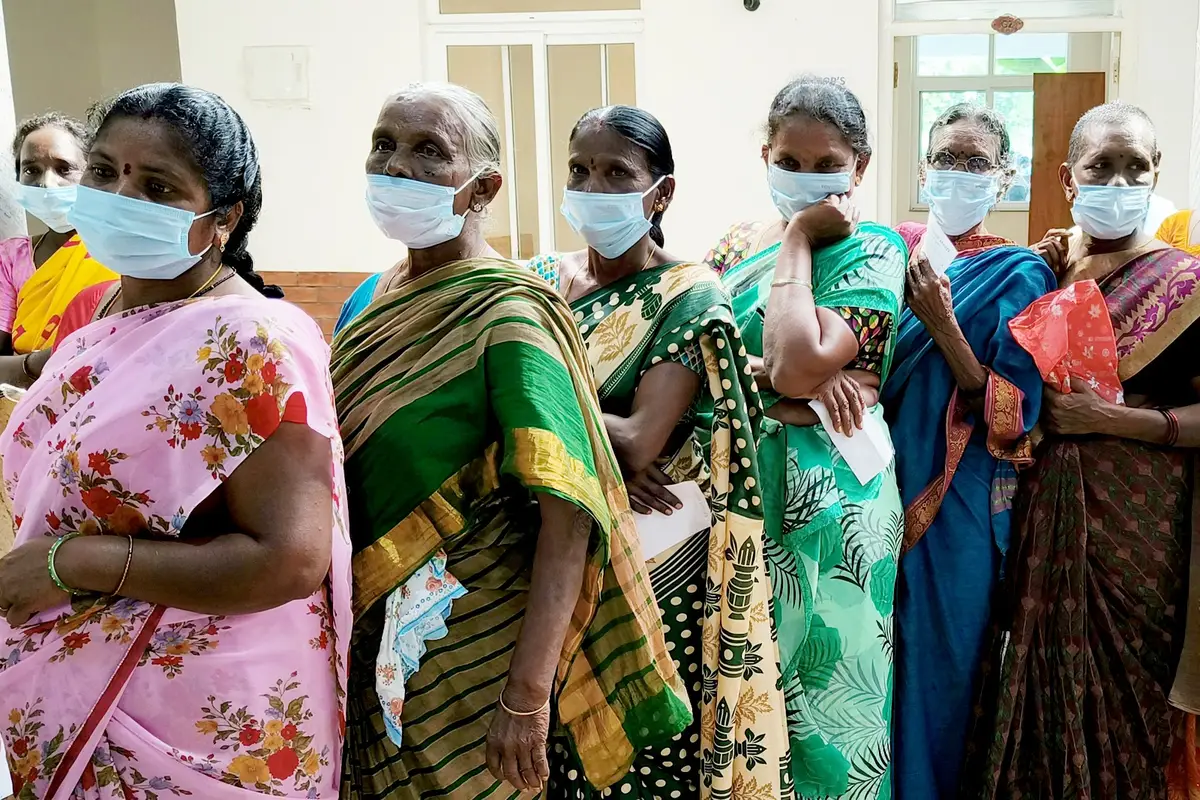
Regular health screenings can help:

  • Identify early warning signs: Detect possible health concerns before they worsen.

  • Monitor overall health: Keep track of blood pressure, general physical condition and other relevant health indicators.

  • Encourage timely medical attention: Help workers understand when they need further medical evaluation.

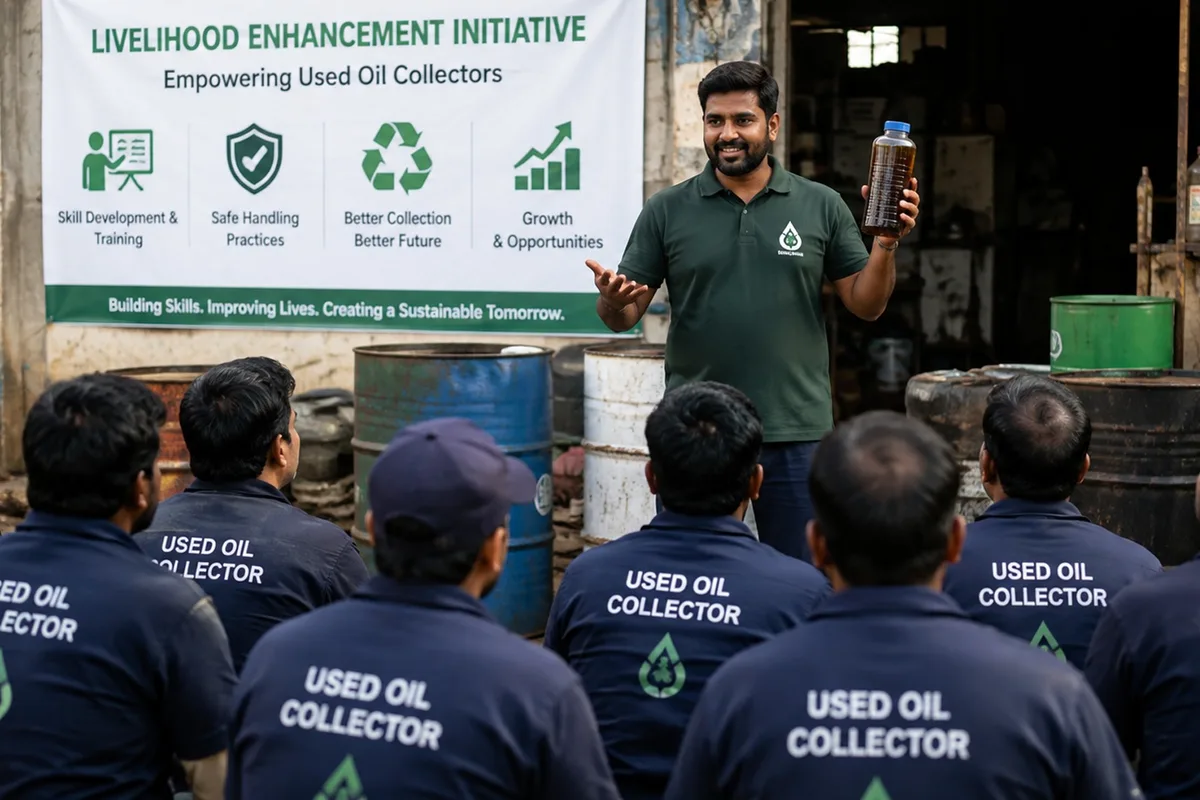
  • Build health awareness: Educate collectors about personal hygiene, safe handling practices and workplace exposure.

  • Support long-term well-being: Encourage workers to take a more active role in looking after their health.

Health check-ups should be conducted by qualified healthcare professionals, with further tests recommended based on individual health conditions and occupational exposures.

Making Worker Welfare Part of Responsible Used Oil Management

Responsible used oil management should not end with collection and recycling. It should also consider the people who make the entire process possible.

At RUOM Foundation, we believe that used oil collectors deserve access to appropriate safety equipment, practical training and regular health support. Through initiatives such as RUOM SURAKSHA, the Foundation aims to improve awareness of occupational safety and encourage better healthcare access for collection workers. A health check-up may take only a short time, but identifying a concern early can make a meaningful difference to someone's life. Because protecting the environment also means taking care of the people who work to protect it.

Share:

More blogs from this category

Why Used Oil Collectors Need More Than Safety Equipment

Why Used Oil Collectors Need More Than Safety Equipment

Safety equipment is essential for used oil collectors, but it cannot address every workplace risk. Proper training, regular health check-ups, suitable collection vehicles and improved working conditions are equally important. Learn how RUOMF supports a more responsible used oil management system that prioritises the safety, health and dignity of collectors.

AI and Sustainability: Rethinking the Road to a Low-Carbon Future

AI and Sustainability: Rethinking the Road to a Low-Carbon Future

The Indian Express Group’s round table conference in Kolkata explored how artificial intelligence can support sustainability, improve resource efficiency and strengthen climate resilience. Discussions covered AI for net zero, smarter urban planning, disaster prediction, transparent waste tracking and the importance of environmental education in building a more responsible approach to waste management.

What Makes Used Oil Collection Difficult at the Ground Level?

What Makes Used Oil Collection Difficult at the Ground Level?

Used oil collectors play an important but often overlooked role in India’s waste management ecosystem. From visiting workshops and businesses to safely collecting, handling, and transporting used oil, their work helps prevent environmental pollution and supports responsible recycling. This blog takes a closer look at their daily responsibilities, safety practices, challenges, and contribution to building a more sustainable circular economy.

Latest blogs

Why Used Oil Collectors Need More Than Safety Equipment

Why Used Oil Collectors Need More Than Safety Equipment

Safety equipment is essential for used oil collectors, but it cannot address every workplace risk. Proper training, regular health check-ups, suitable collection vehicles and improved working conditions are equally important. Learn how RUOMF supports a more responsible used oil management system that prioritises the safety, health and dignity of collectors.

AI and Sustainability: Rethinking the Road to a Low-Carbon Future

AI and Sustainability: Rethinking the Road to a Low-Carbon Future

The Indian Express Group’s round table conference in Kolkata explored how artificial intelligence can support sustainability, improve resource efficiency and strengthen climate resilience. Discussions covered AI for net zero, smarter urban planning, disaster prediction, transparent waste tracking and the importance of environmental education in building a more responsible approach to waste management.

What Makes Used Oil Collection Difficult at the Ground Level?

What Makes Used Oil Collection Difficult at the Ground Level?

Used oil collectors play an important but often overlooked role in India’s waste management ecosystem. From visiting workshops and businesses to safely collecting, handling, and transporting used oil, their work helps prevent environmental pollution and supports responsible recycling. This blog takes a closer look at their daily responsibilities, safety practices, challenges, and contribution to building a more sustainable circular economy.