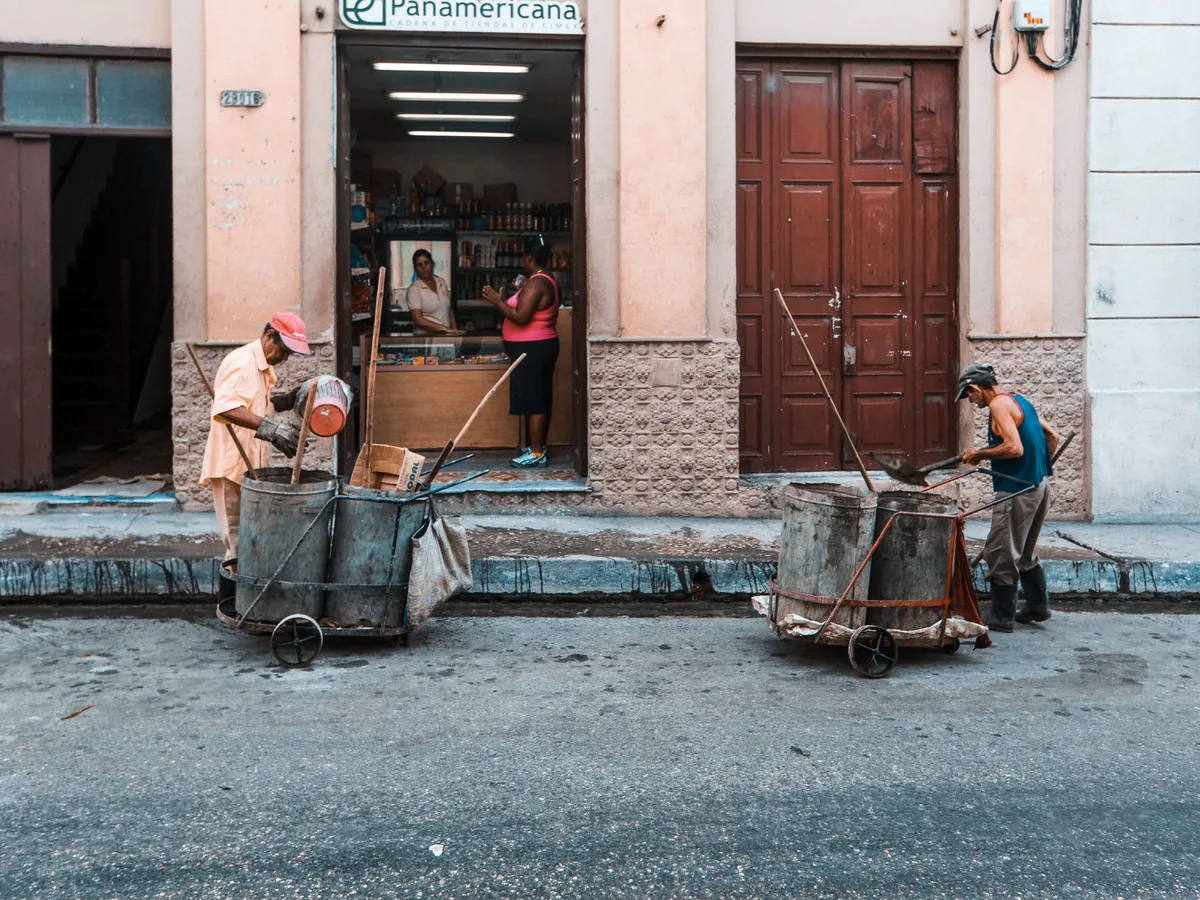
When we talk about used oil, we usually talk about where it goes, how it can be recycled, or what happens when it is disposed of incorrectly. But there is one part of the story that often gets little attention - the people who collect it.
Used oil collectors work at the ground level, collecting oil from workshops, garages, industries, and other places where it is generated. Their work is an important part of keeping used oil within the proper collection and recycling chain. But handling used oil also comes with risks.
Collectors Need Protection Too
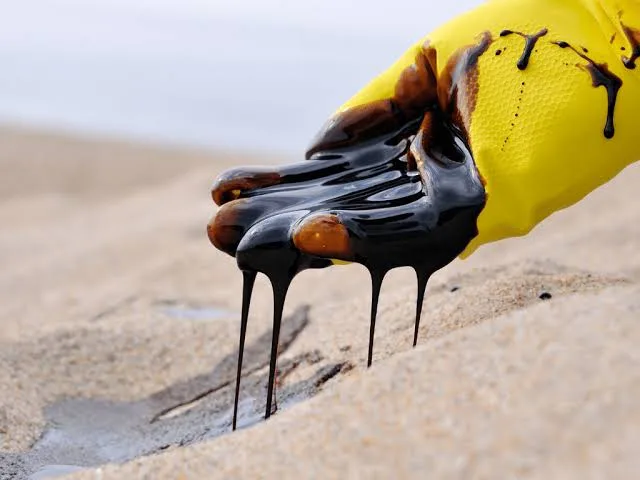
Used oil is not the same as fresh oil. After being used in an engine or machine, it can contain dirt, metal particles, chemical residues, and other contaminants. Collectors may come into contact with it during collection, storage, or transportation.
Without the right knowledge and basic safety measures, everyday handling can become a health concern. This is where used oil collector health needs more attention. Simple things such as using suitable protective equipment, knowing how to handle containers safely, preventing spills, and maintaining better storage practices can make a real difference to someone's working day.
Training Can Make a Difference
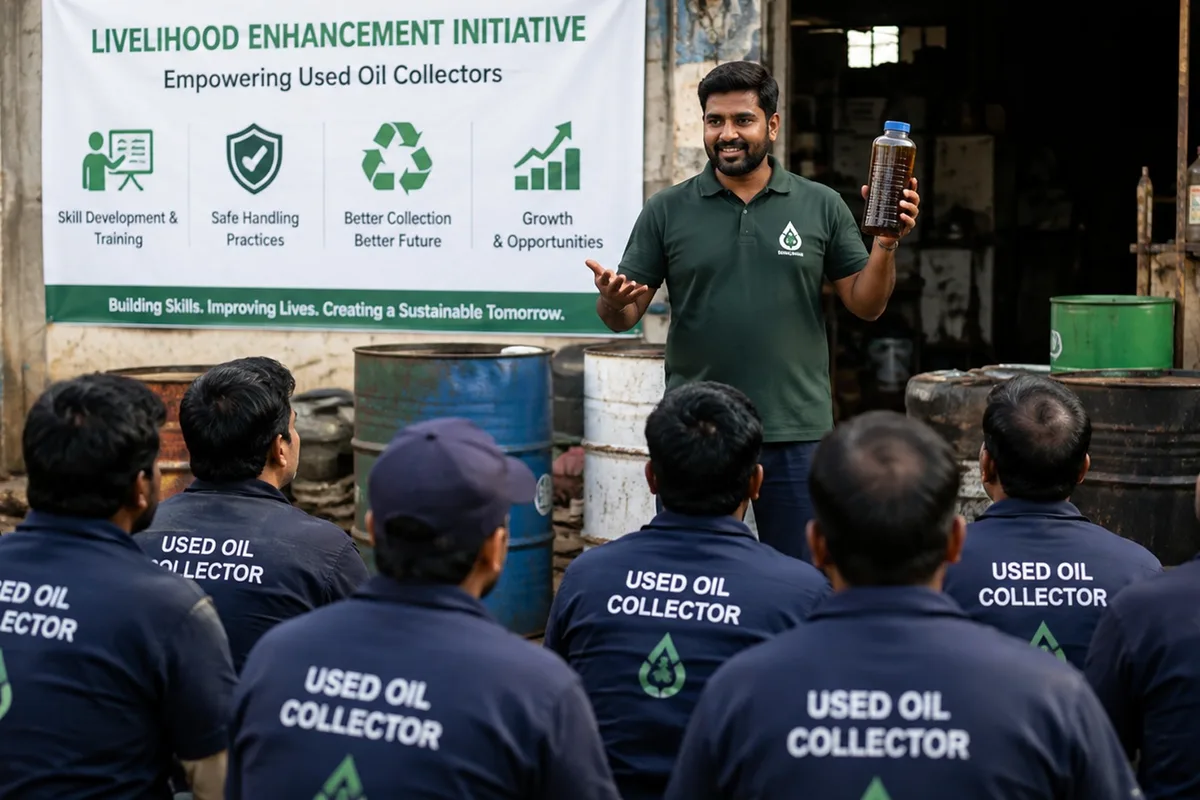
Many collection workers learn their work through experience. Practical experience is valuable, but it should be supported by proper information and training. Collectors should know the risks involved in handling used oil and the precautions they can take while doing their work. They should also have access to basic health information and support when needed.
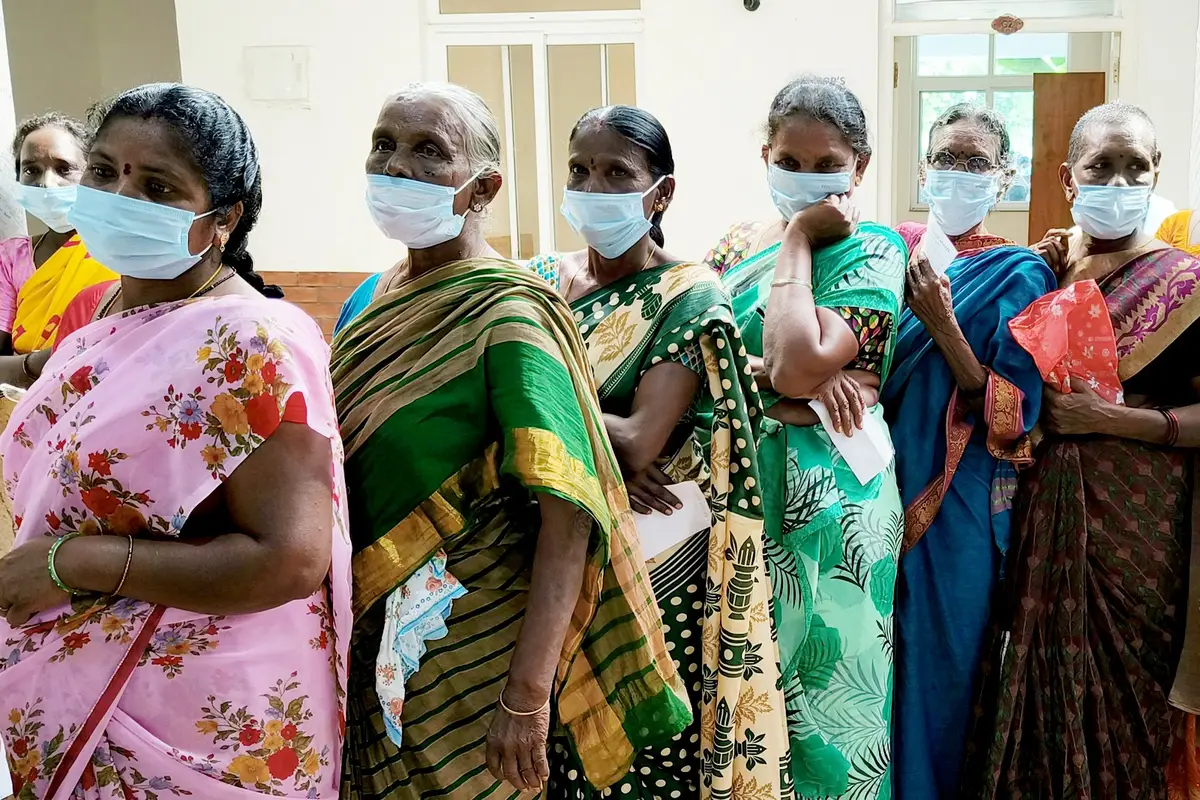
This is an important part of the wider discussion around informal waste worker welfare in India. People working at the grassroots level often play an important role in waste collection and recovery, yet their safety and well-being can easily be overlooked.
Responsible Used Oil Management Includes People
For RUOMF, responsible used oil management is not only about getting used oil from a workshop to a recycler. It is also about making the work safer for the people involved. Through collector awareness and training, healthcare support, and safety equipment, RUOMF works to support the people involved in used oil collection.
Because environmental responsibility should not come at the cost of someone's health or safety.
Used oil needs to be managed responsibly. And the people handling it deserve the same care and attention.