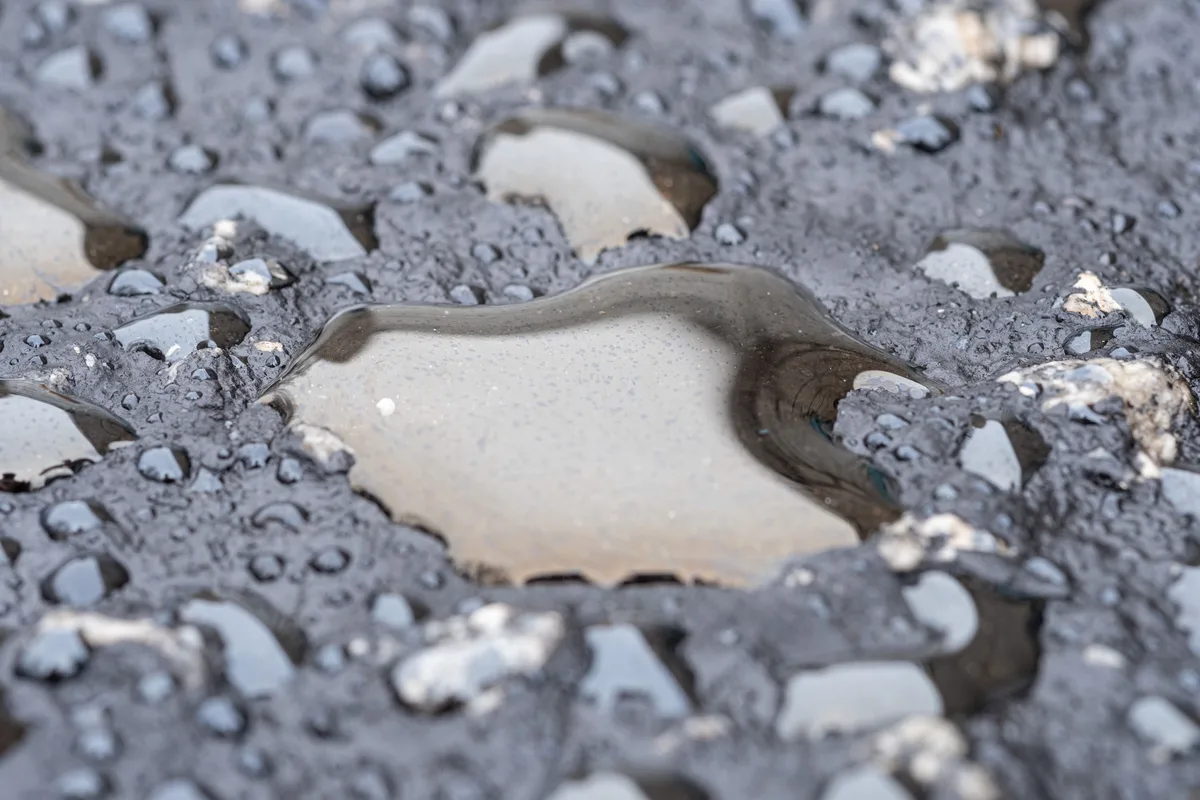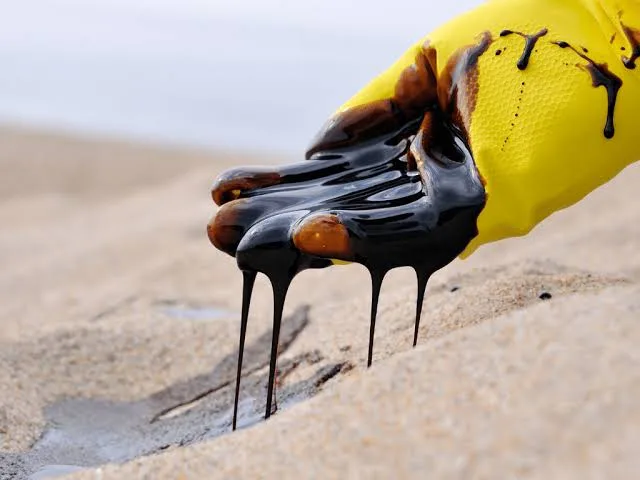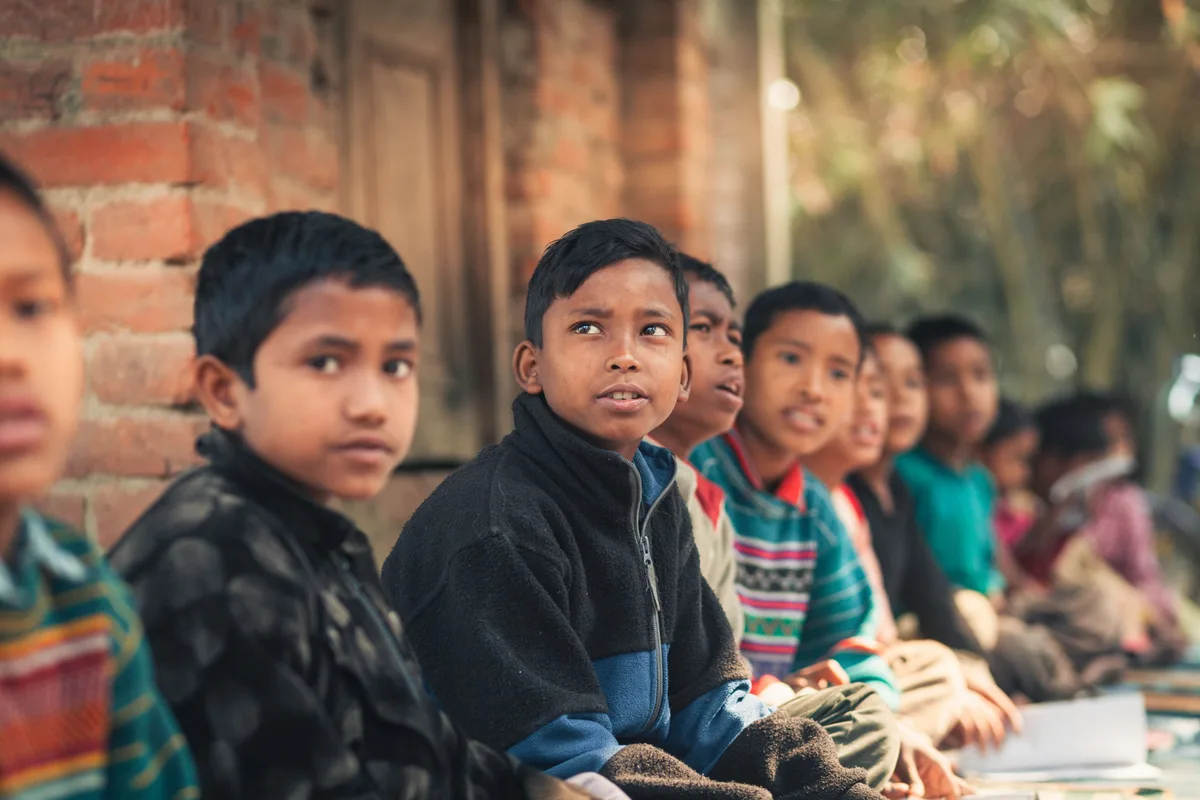
We teach children not to throw plastic on the road, to save water, and to keep their surroundings clean. But there is another type of waste that rarely comes up in everyday conversations - used oil. Used oil is generated every day from vehicles, machines, workshops and industries. Yet, many people grow up without knowing what happens to it after it is drained from an engine or collected from a workshop. This is why awareness about used oil should start early.
Small Lessons Can Build Better Habits
Children are naturally curious. When they understand why something matters, they often carry that knowledge home and share it with their families. A simple lesson about used oil can explain why it should not be poured onto the ground, into drains, or disposed of carelessly. It can also introduce the idea that used oil can be collected and recycled instead of becoming a source of pollution. These may seem like small lessons, but they can shape how the next generation thinks about waste.
It Is About More Than the Environment
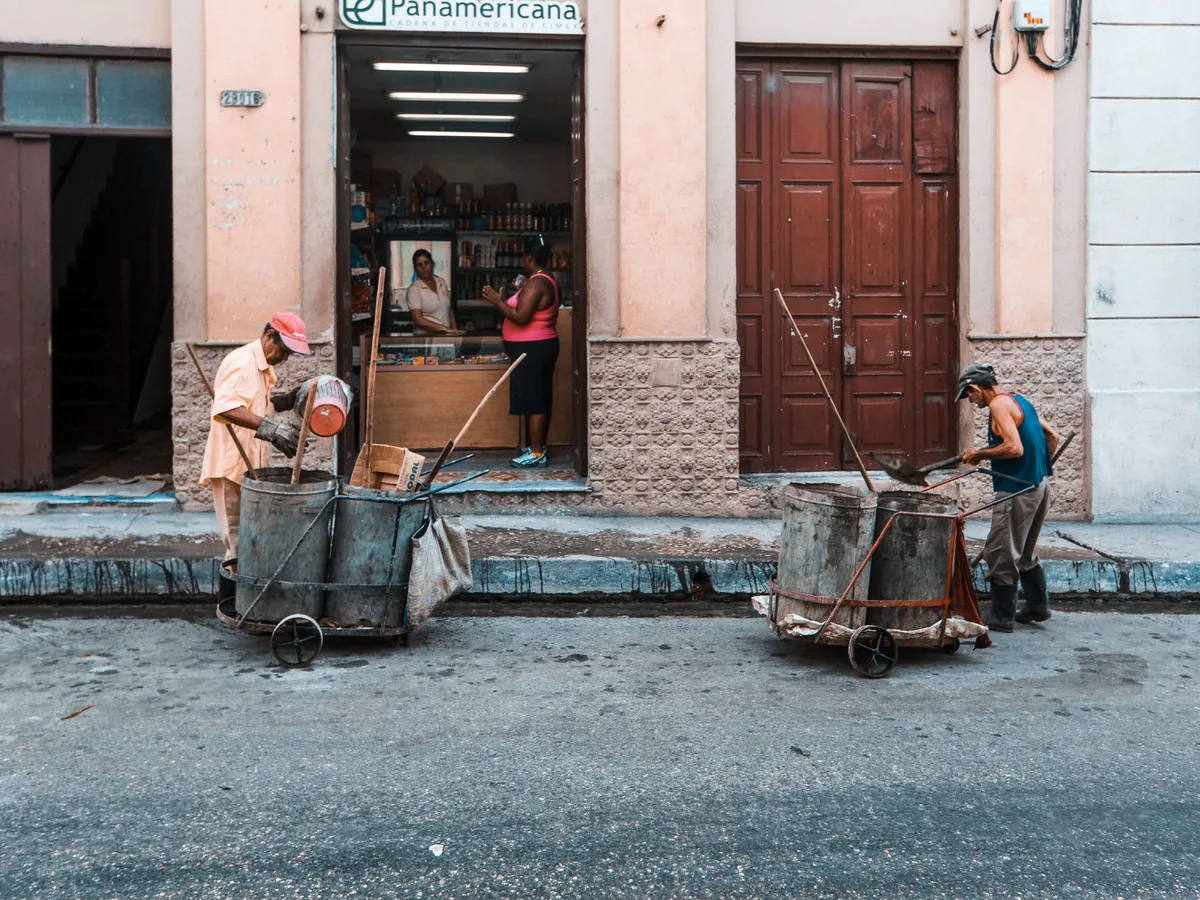
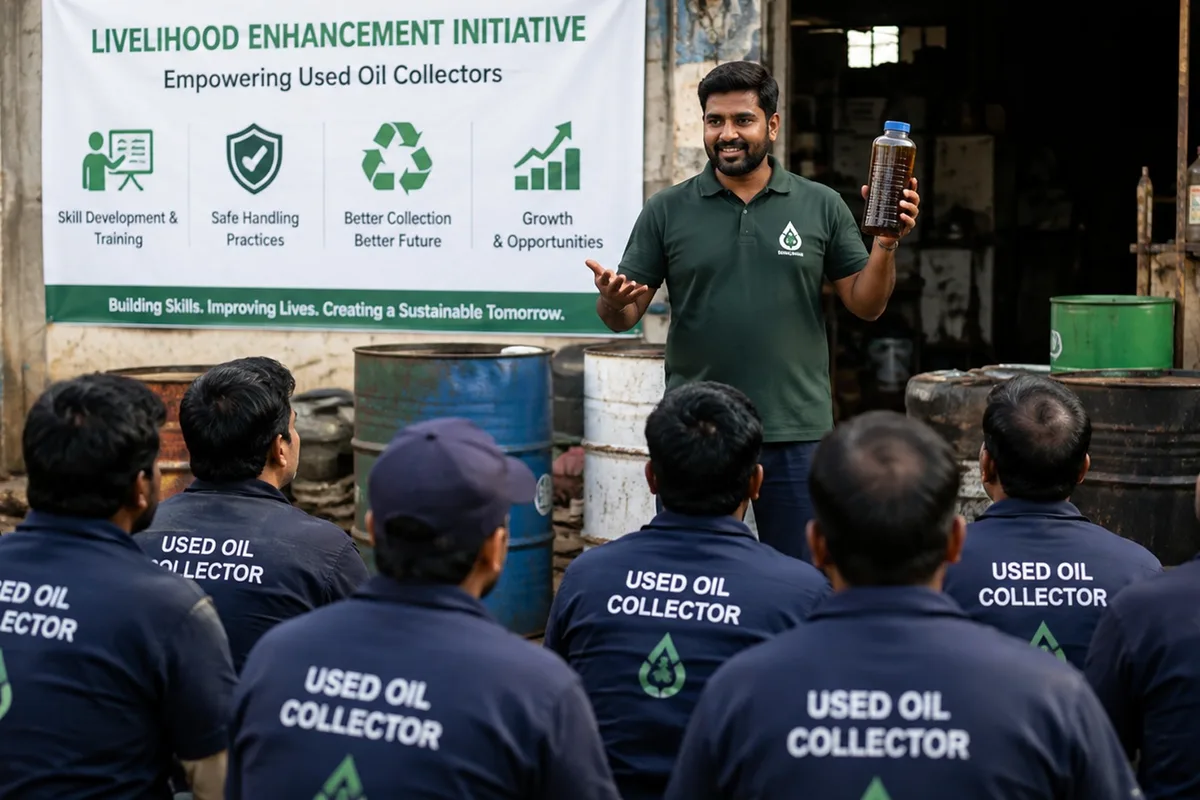
Used oil awareness is not only about pollution. Children can also learn about the people involved in collecting and handling it. Collection workers play an important role in moving used oil towards responsible recycling. Understanding their work can help children see waste management differently - not simply as something that needs to be thrown away, but as a system that involves people, resources, and responsibility. This also creates an opportunity to talk about worker safety, health and the importance of proper training.
Schools Can Take the Conversation Further
Schools are a natural place to start these conversations because environmental learning does not have to remain inside a textbook. Awareness sessions, simple activities, discussions and real-life examples can help students understand where used oil comes from, why improper disposal is a problem and what responsible collection looks like. And when students take these conversations home, the message can reach parents, neighbours and communities too.
Building Awareness for the Future
At RUOMF, we believe that responsible used oil management starts with awareness. Our school and college awareness initiatives are aimed at helping young people understand the issue in a simple and practical way. The goal isn't to make every student an expert in used oil. It is to make sure they know enough to ask the right questions, make responsible choices, and understand why proper collection and recycling matter.
The habits we build today stay with us for years. Sometimes, creating a cleaner future starts with a conversation in a classroom.