When people hear the term used oil, the first thought that often comes to mind is waste. Whether it's cooking oil from a restaurant kitchen or lubricating oil drained from a vehicle or machine, many believe its journey ends once it has been used. But that's far from the truth.
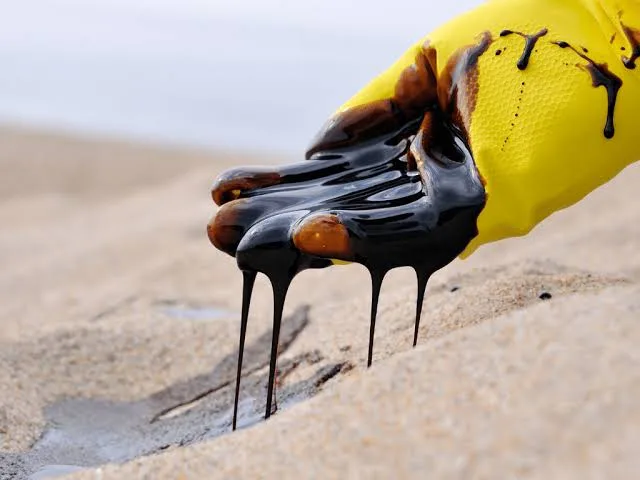
Used oil is not simply something to throw away. When managed responsibly, it becomes a valuable resource that can contribute to a cleaner environment and a more sustainable future. The real problem begins when used oil is disposed of carelessly. Pouring used cooking oil into kitchen sinks or drains can block pipelines and pollute water bodies. Similarly, dumping used lubricating oil on the ground or mixing it with other waste can contaminate soil and groundwater, affecting ecosystems for years.
The good news is that this can be prevented. With proper collection and responsible management, both used cooking oil and used lubricating oil can be recovered through authorised processes. Used cooking oil, for example, can be processed into products such as Sustainable Aviation Fuel (SAF), reducing dependence on conventional fossil fuels.
This is where the idea of a circular economy comes into play. Instead of treating used oil as the end of a product's life, we recognise it as the beginning of a new one. Recovering and reusing resources reduces waste, lowers environmental impact, and supports a more responsible way of managing the materials we already have.
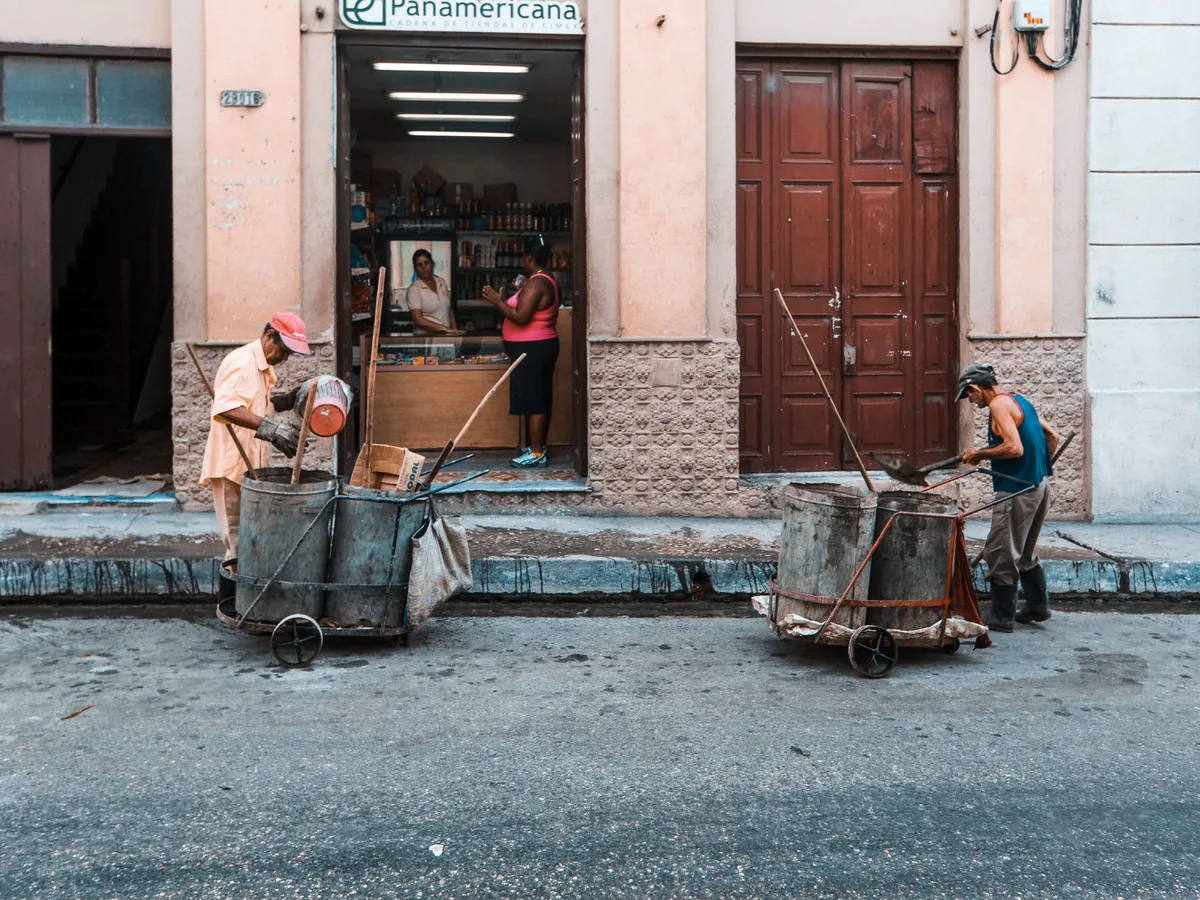
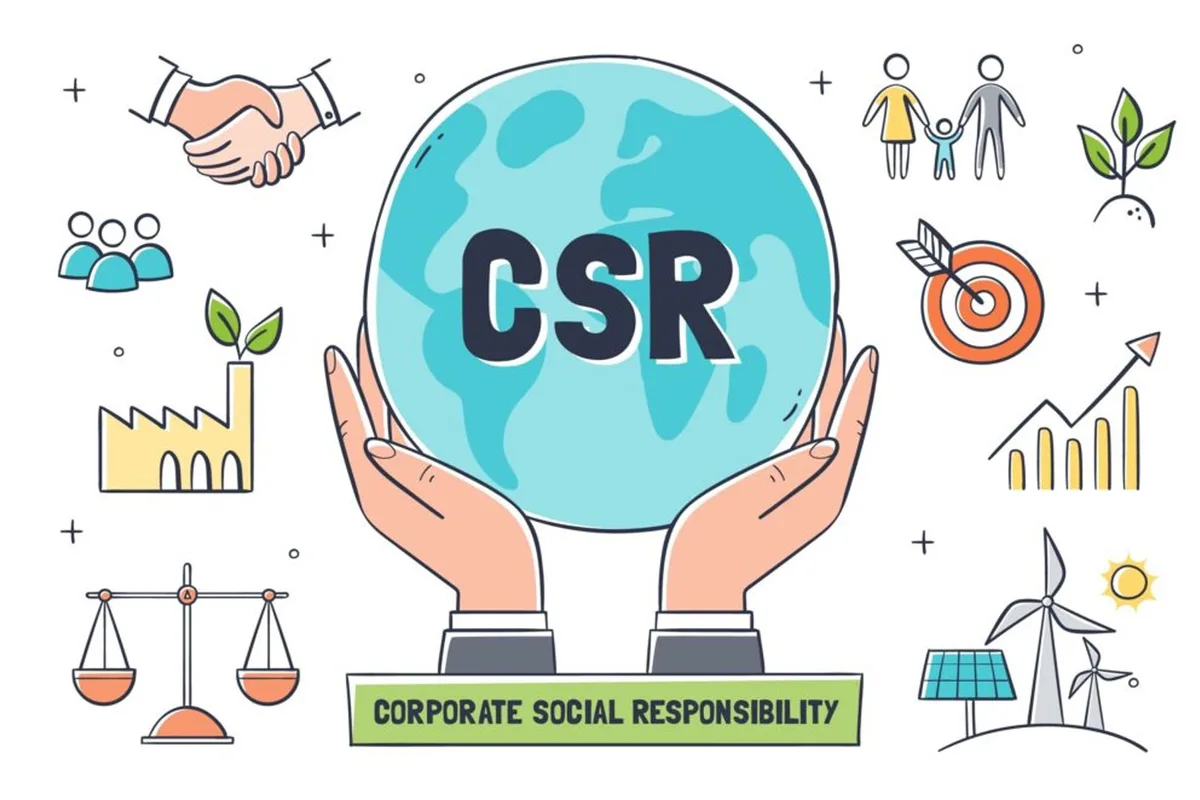
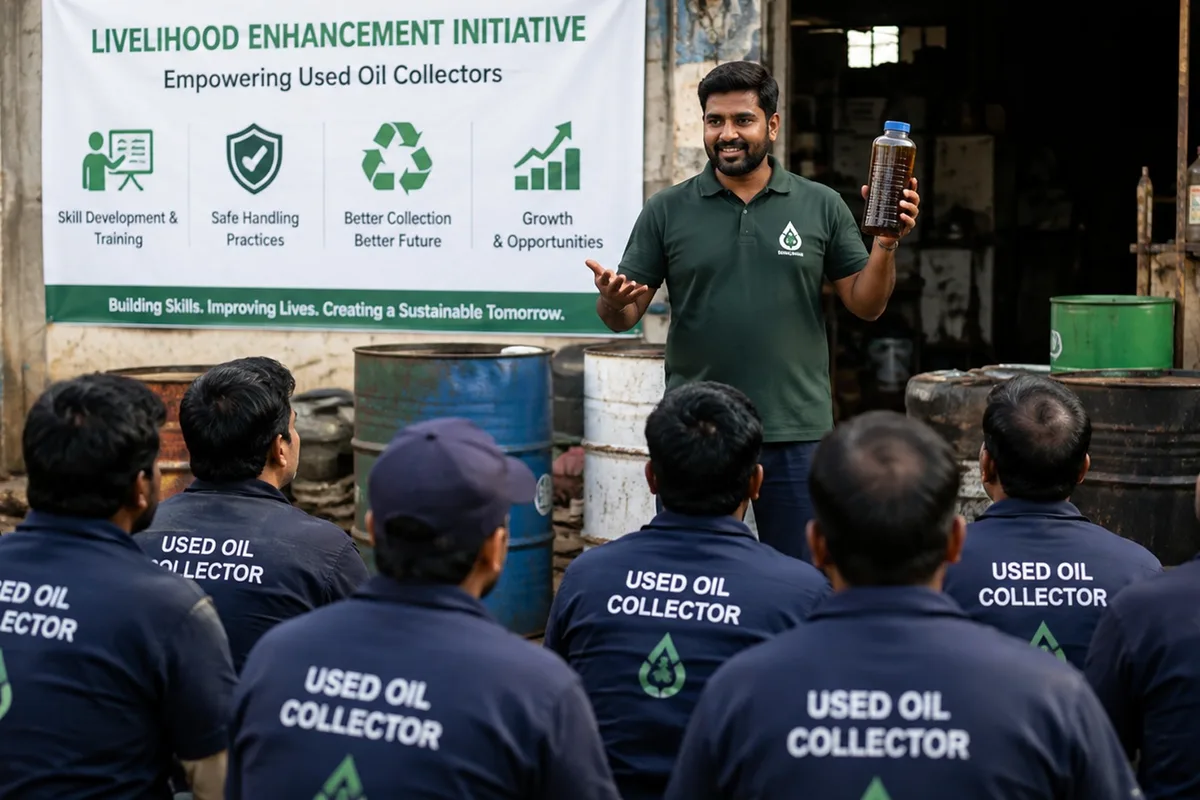
Responsible used oil management is not the responsibility of one group alone. Households, restaurants, industries, workshops, educational institutions, businesses, collectors, recyclers, and government agencies all have an important role to play. Every responsible decision - whether it's storing used oil safely or handing it over through authorised channels - helps protect our environment. At the Responsible Used Oil Management Foundation, we believe awareness is where meaningful change begins. The more people understand the value of used oil, the more likely they are to manage it responsibly.
Because used oil isn't just waste. It is a resource waiting to be recovered, a chance to reduce pollution, conserve natural resources, and build a cleaner, more sustainable future - one responsible action at a time.