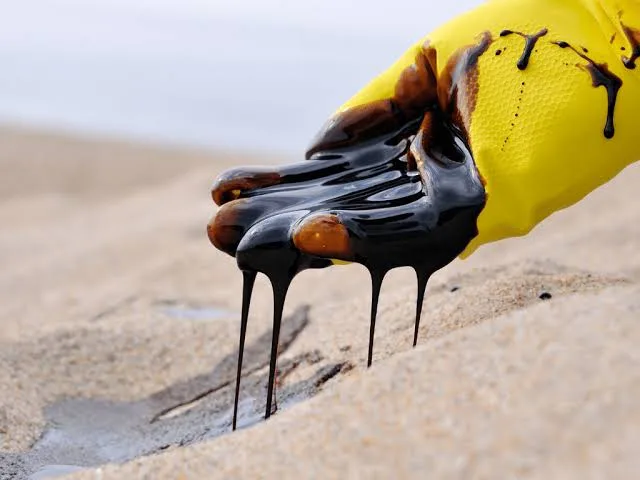
After an oil change, it may seem convenient to get rid of the old oil by pouring it onto an empty patch of land. It may disappear, but that does not mean it is gone. Used oil can remain in the soil and cause damage long after it has been dumped. Used lubricating oil contains contaminants picked up during its use, including dirt, metal particles, and other substances. When it is released directly onto the ground, these contaminants can enter the soil and affect its quality. The oil can also move through the ground and reach groundwater, creating a problem that is much harder to see and much harder to reverse.
It Can Affect Soil and Water
Soil is not just dirt. It supports plants, microorganisms, and many other forms of life. When used oil is dumped on the ground, it can interfere with the natural balance of the soil and make it difficult for plants to grow properly. There is also a risk of contamination beyond the place where the oil was originally dumped. Rainwater can carry oil and its contaminants into nearby drains, ponds, streams, and other water sources. Once used oil reaches water, even a small amount can spread over a large area.
The Problem Doesn't End There
Improper disposal also means losing a resource that could have been recovered. Used lubricating oil can contain valuable oil components that can be recovered through appropriate recycling and reprocessing. By dumping it on the ground, we lose the opportunity to put those resources back into use.
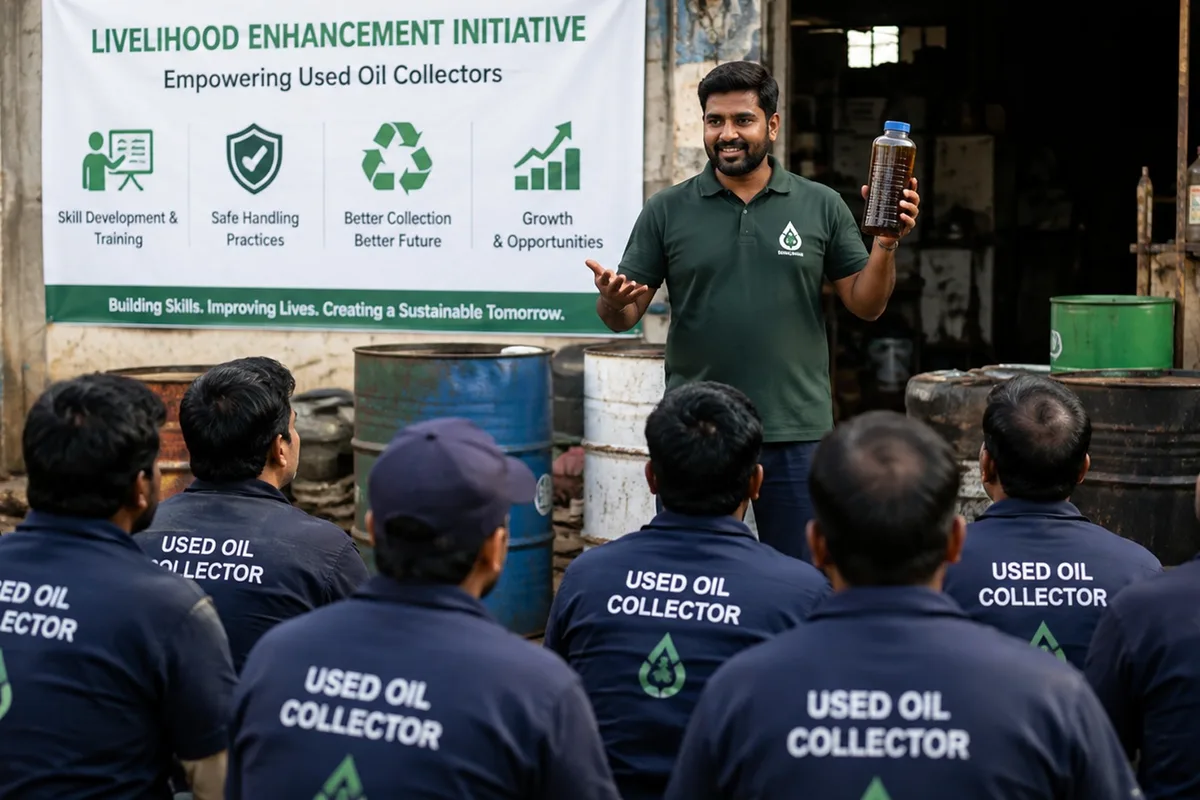
There is another side to responsible used oil management that is often overlooked - the people who collect it. Proper collection gives used oil a safer route from workshops, businesses and other sources to appropriate recycling channels, while also supporting the people working at the grassroots level.
What Should You Do Instead?
If you generate used oil, keep it separate from other waste and store it in a suitable, leak-proof container. Do not pour it onto the ground, into drains, or into water bodies. Instead, hand it over through an appropriate collection and recycling channel. The same principle applies to businesses, workshops and industries that generate used oil regularly. Good storage and responsible collection should be part of the process from the beginning.
At the Responsible Used Oil Management Foundation (RUOMF), we believe that responsible used oil management starts with awareness. Knowing the consequences of improper disposal can help people make better choices about what happens to used oil after it has served its purpose. A patch of ground may seem like an easy place to dispose of used oil, but the damage does not simply disappear. When we keep used oil out of the soil and send it through the right channels, we protect our environment and give valuable resources a chance to be recovered.